

Conventionality and Morality: Jane Eyre's Preface
A Jane Eyre Readalong and Teachalong

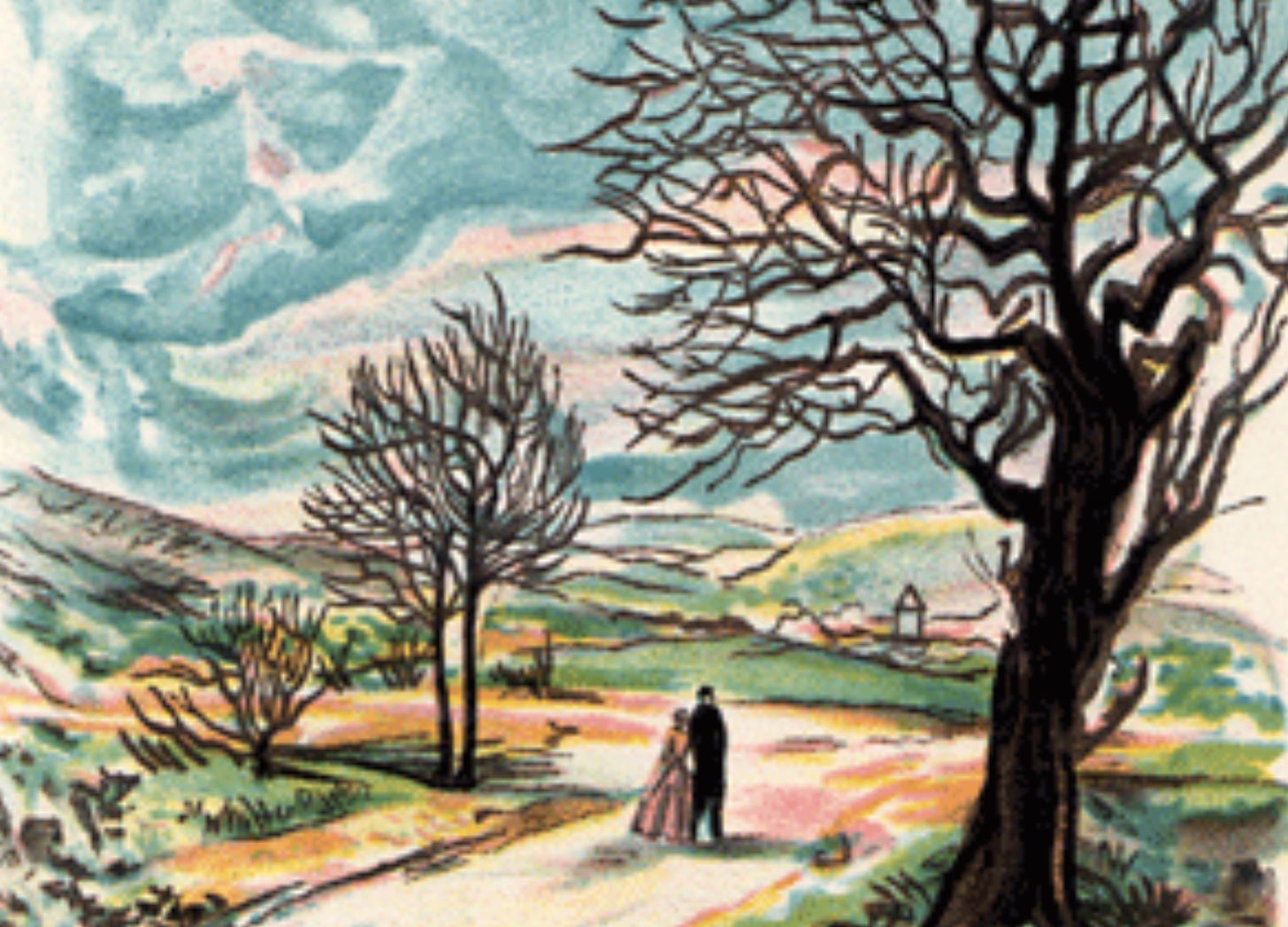
Conventionality is not morality. Self-righteousness is not religion. To attack the first is not to assail the last. To pluck the mask from the face of the Pharisee, is not to lift an impious hand to the Crown of Thorns. —Charlotte Brontë, Jane Eyre (Preface)
Early critics of Jane Eyre wrote that the book was immoral, primarily because Charlotte Brontë portrays religious characters negatively and because she critiques elements of the British social structure. Brontë, herself a pastor’s daughter, defends these choices, claiming to critique hypocrisy rather than true Christianity.
Preface Questions
✢ What criticism has Jane Eyre received? Infer based on Charlotte Brontë’s response in the Preface.
✢ In the Preface, what does Brontë mean by saying “Conventionality is not morality.” How can conventionality (accepted standards) differ from morality?
✢ Why do you think that Brontë includes so many allusions to the Bible in her preface? What purpose does this serve?
✢ What is Charlotte Brontë’s main criticism of her society? (See the paragraph beginning, “The world may not like to see…”.)
Teaching Tips
✢ Follow the theme of conventionality v. morality in your reading. When it comes to issues like gender, individuality, class structure, and religion, pay attention to what Charlotte Brontë does and does not say. Critics today often want to go to extremes in these areas. Is that warranted?
✢ Dr. David Gibson, in a 2007 Modern Reformation article, explained a historical pattern of proclaiming ➻ assuming ➻ denying the Gospel. Where was Victorian England along that pattern? Where are we?