

A Season of Sickness: Jane Eyre Chapter 9
A Jane Eyre Readalong and Teachalong

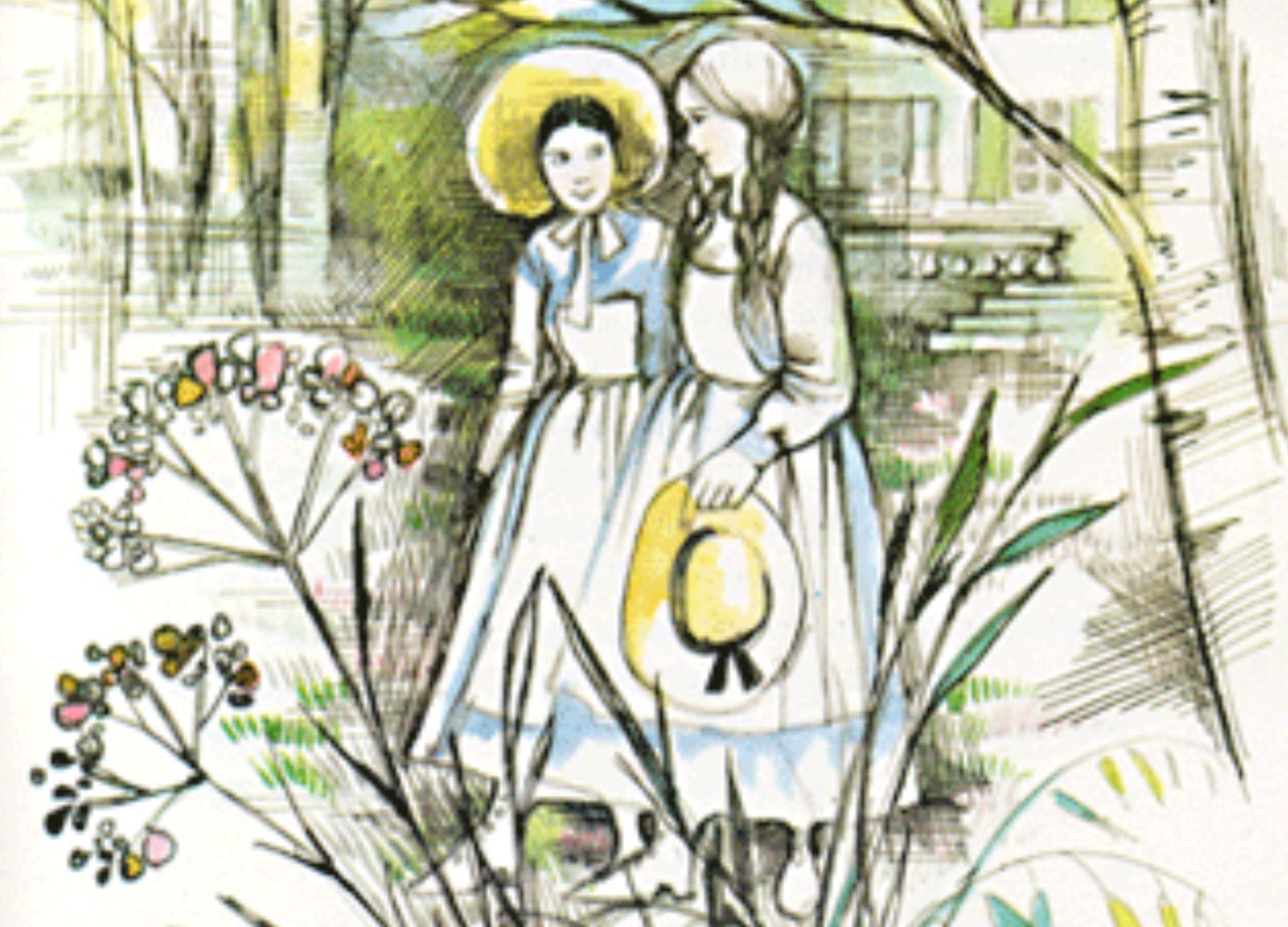
Death comes to Lowood in the form of typhus. In contrast to the 45 out of 80 students who are struck, Jane Eyre experiences unprecedented freedom. She can go where she likes, do what she likes, and play with whom she likes, while the adults are busy tending to the sick. While Lowood’s usual schedule is stiflingly strict, Charlotte Brontë does not describe Jane’s freedom with unalloyed praise. Rather, narrator Jane speaks of her new friend, Mary Ann Evans, who gives “ample indulgence” to her faults and “reciprocate[s]… racy and pungent gossip.” Intemperate thought, word, and deed can be found through unmitigated license and unyielding austerity.
Charlotte Brontë experienced a typhus1 outbreak at Cowan Bridge School. Like Helen, two of her older sisters, Maria and Elizabeth, died from consumption (tuberculosis) in 1825 during that time. Perhaps Jane’s ignorance of Helen’s illness is drawn from her own experience as a nine year old at the time of her sisters’ deaths.
Providentially, Jane overhears a conversation between the doctor and the nurse, discussing Helen’s impending death. That evening, she sneaks in to see Helen. Even as she is dying, Helen steadies Jane and speaks to her of hope in heaven. Jane climbs into the bed to hold Helen’s hand, and they both fall asleep. Helen does not wake up the next morning.
Chapter 9 Questions
✢ With winter subsiding into spring, what new trial do the girls at Lowood face? How does this parallel Charlotte Brontë’s own childhood?
✢ How does school change during the typhus outbreak? What does Jane do during this time?
✢ What is Helen’s disposition and perspective when Jane goes to visit her? How does she face her coming death?
✢ Now that Helen has died, how do you think Jane will develop as a person because of Helen’s role in her life?
Teaching Tips
✢ It can be helpful to give context about consumption (tuberculosis) during the Victorian era.
✢ Foreshadowing: “[Helen’s] grave is in Brocklebridge churchyard: for fifteen years after her death it was only covered by a grassy mound; but now a grey marble tablet marks the spot, inscribed with her name, and the word ‘Resurgam.’” Given the following events of the novel, it is implied that adult Jane placed the tombstone at Helen’s grave. The inscription means, “I shall rise again.” The reader can infer that Jane continues to honor Helen’s memory and that she affirms Helen’s hope in heaven. This is a nice contrast to earlier in the chapter: “my mind made its first earnest effort to comprehend what had been infused into it concerning heaven and hell.” ⟶ I don’t usually bring this up until after we have finished the entire book.
Typhus is a bacterial disease spread by lice. Brontë’s choice of typhus is a direct consequences of the poor conditions of the school.